Member Field Notes
Keeping Materials in Use: Circa and the Reuse Materials Pavilion
By Shyam Shukla, Cofounder, Circa of Circa Demo & Disposal
Demolition is usually judged by what gets cleared away. At Circa Demo & Disposal, we also consider what can remain in use. Our mission is to keep useful building materials in circulation before they become mixed debris.
We founded Circa in 2026 with three different perspectives. Andrew Costa brought demolition and crew-management experience, Marc brought a background in Boston real estate, and I brought go-to-market and circularity experience. Together, we wanted to make material recovery part of the work, rather than an afterthought once a building had been cleared.
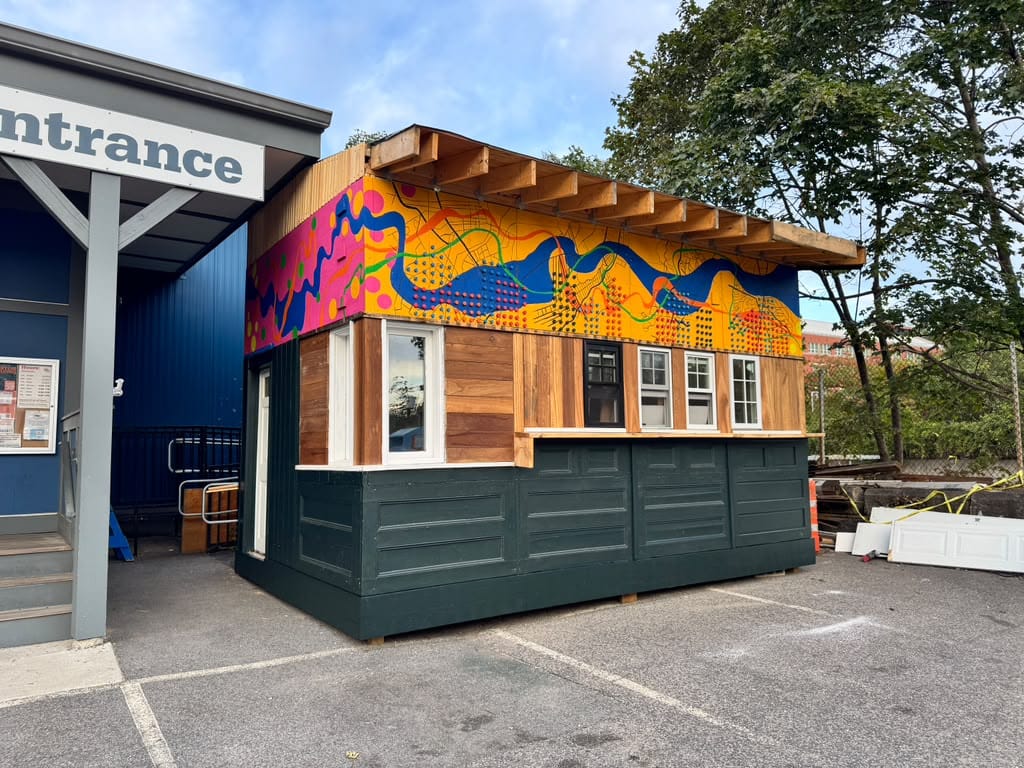
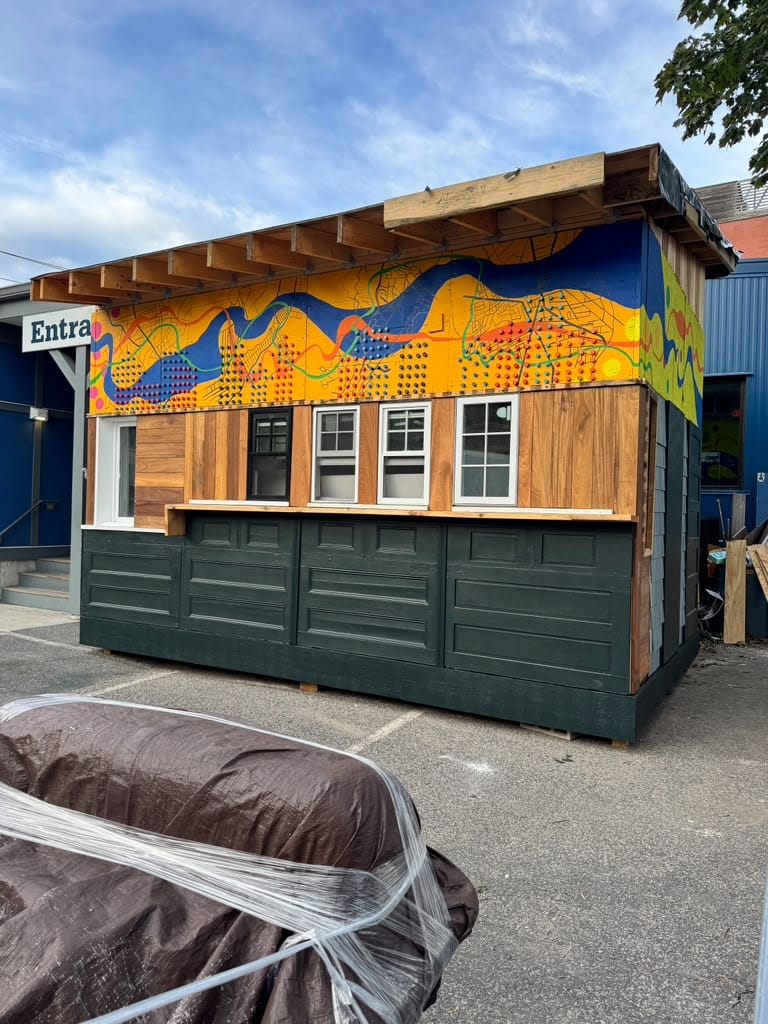
The recently completed Reuse Materials Pavilion at Boston Building Resources, at 100 Terrace Street in Roxbury, gives that mission a physical expression. Months of volunteer build days turned reclaimed components into a structure that demonstrates how materials from one project can serve another.
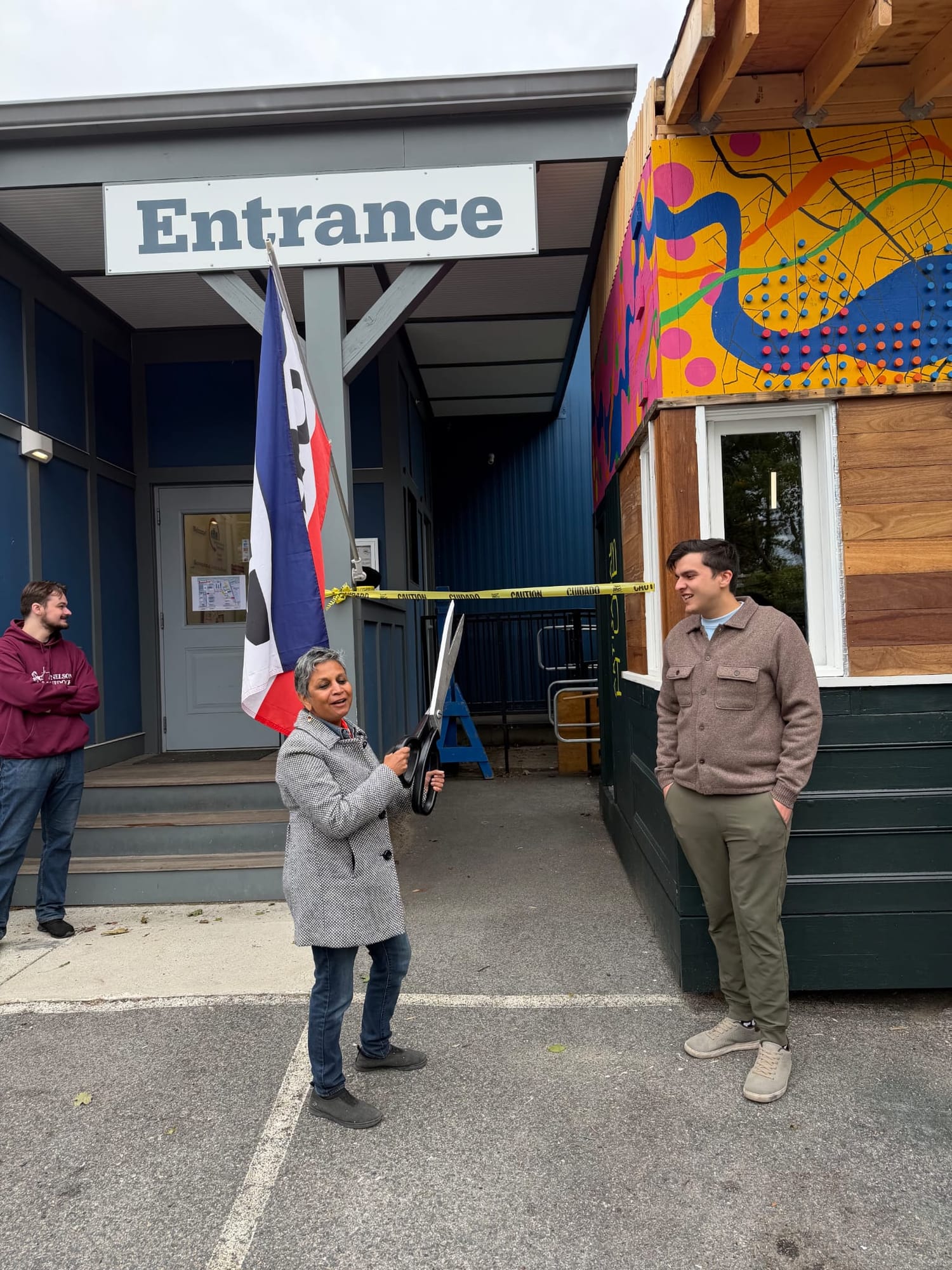
Boston Building Resources and SHED Studio developed the pavilion, with architect Rashmi Ramaswamy as project lead. Circa contributed volunteers alongside community members, Boston Architectural College participants and other building-industry collaborators. The completed project reflects that shared effort, not the work of any single company.
Old doors became exterior cladding. Reclaimed lumber, windows and other components shaped the design, with the team documenting what was available before finalizing assemblies. An existing shed was carefully dismantled to make room for the pavilion and recover additional materials. Components were assembled with screws rather than nails to support future disassembly.
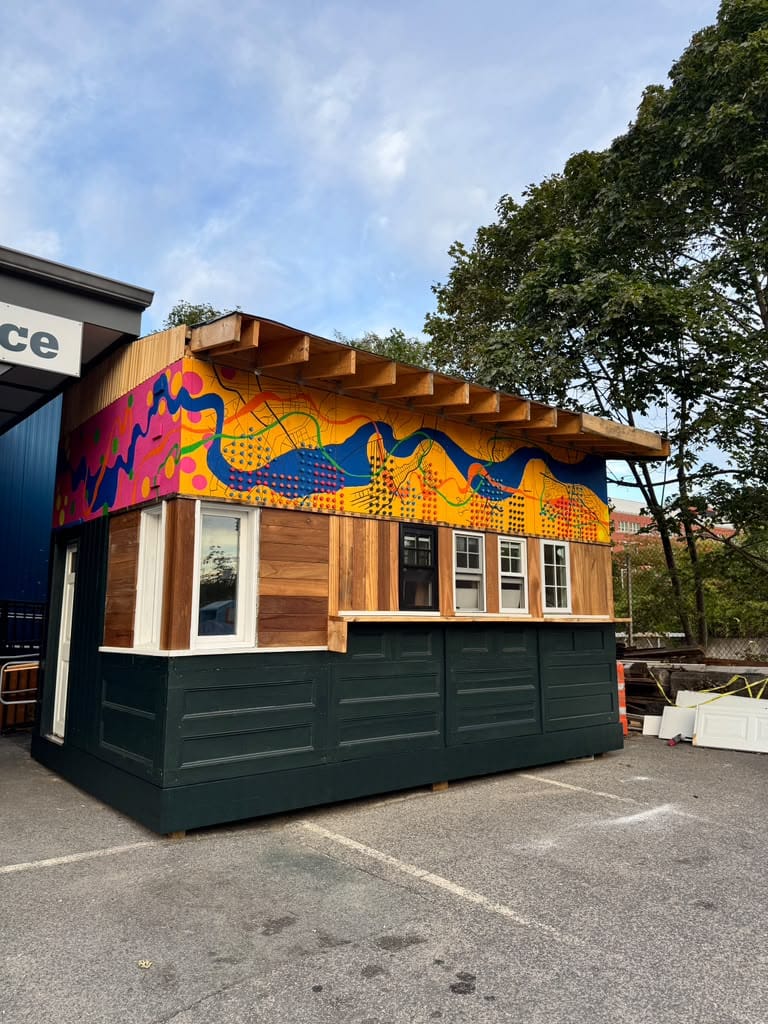
Boston Building Resources’ final report records 62 unique participants across design and construction. It reports that reused materials accounted for 83% of the pavilion’s typical building materials by volume.
The work also showed why reuse requires coordination. Materials differed in size and condition, and some needed additional fitting on site. The team adapted the design to what was available. Recovering a component is only the beginning; someone must assess it, prepare it and identify a suitable next use.
Circa’s use of technology supports the people doing that work. We used Manus to build and host our website and internal crew tools. Photo and video intake can help prepare preliminary material, labor and disposal assessments for human review. Experienced people still make the field decisions, and software does not replace construction judgment.
For Circa, the pavilion’s completion is a concrete example of the mission we are working toward. Keeping materials in use takes more than a commitment to reducing waste. It takes a practical destination for recovered components and partners willing to do the work together.