Member Field Notes
How Circa Is Giving Demolition Waste a Second Life in Boston
By Shyam Shukla, Cofounder, Circa of Circa Demo & Disposal
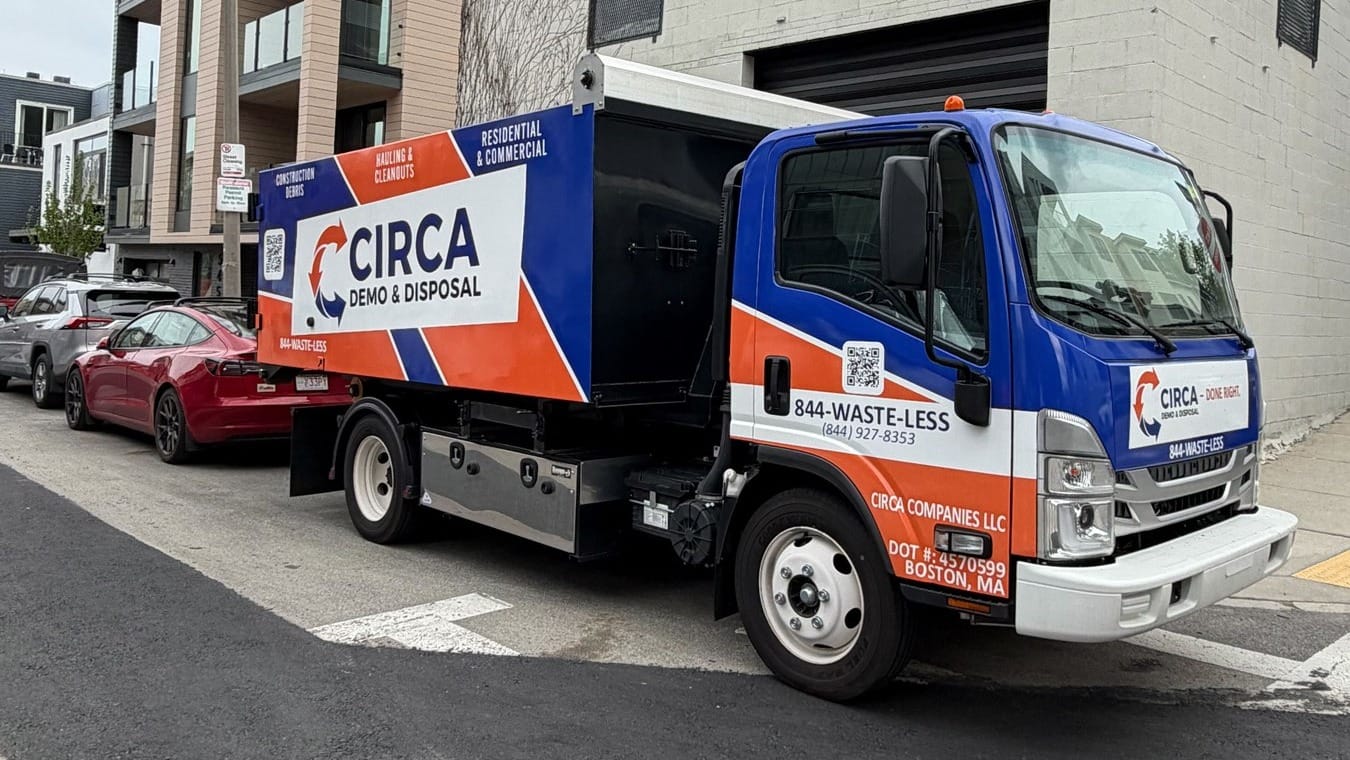
Manus featured our first months in a customer story, How This Boston Startup Is Giving Demolition Waste a Second Life. Here is that story from our side, with the numbers as of September.
Circa launched on April 1, 2026. The paperwork followed later that month, and our first truck arrived in the second week of May. Circa has three cofounders: Andrew Costa, Marc Savatsky, and me. Our mission is simple: keep useful building materials in circulation before they become mixed debris.
Starting with the operator
My cofounder Andrew Costa is a veteran demolition operator who has spent years managing crews and clearing sites across Greater Boston. Before he could start another company, he needed to know whether he could. His previous junk-hauling business was governed by a franchise agreement that needed review. Marc, a Boston real estate developer, and I used Manus to organize our questions about that agreement, and a lawyer reviewed our notes before we moved forward. From day one, the priority was giving Andrew what he needed to succeed as the operator.
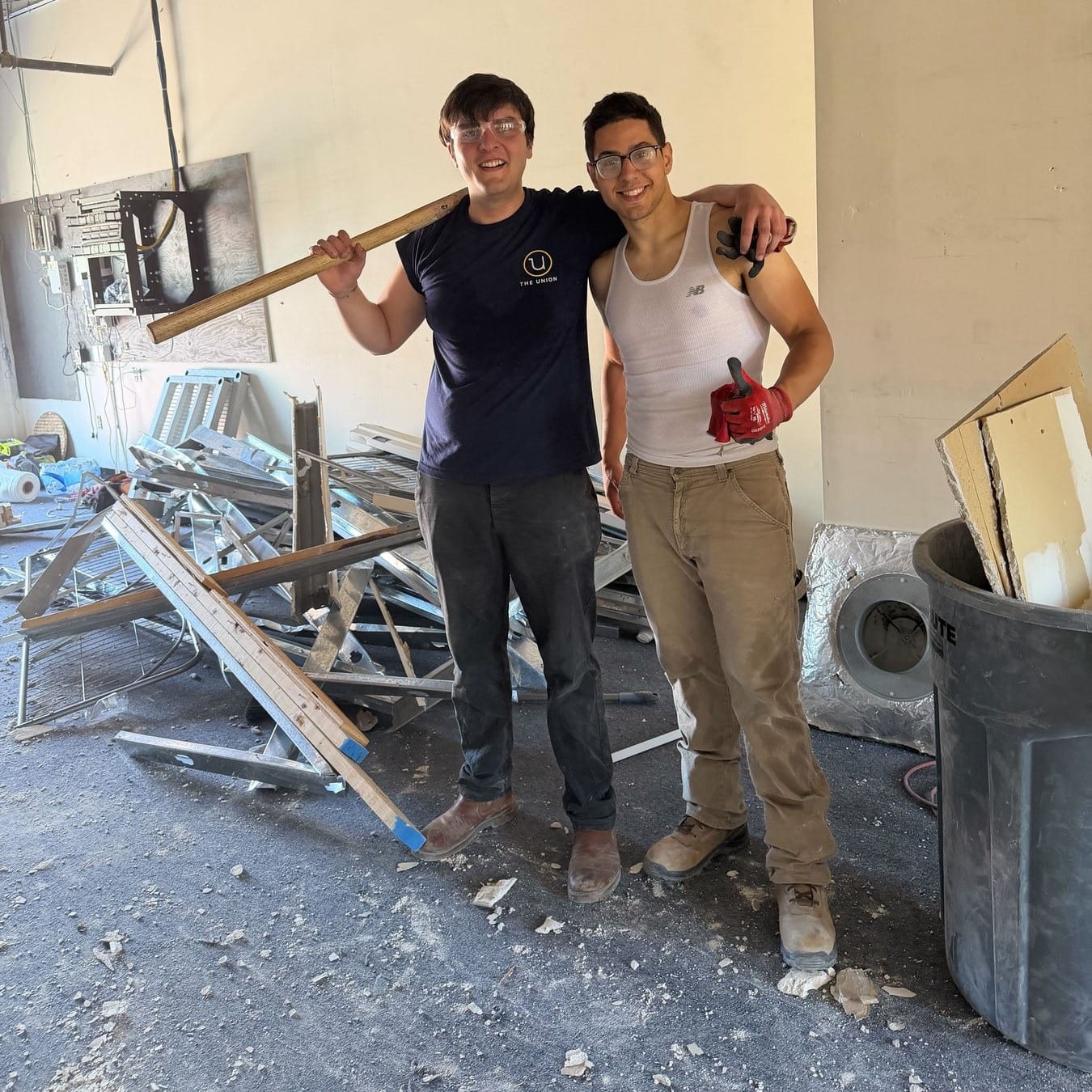
Andrew started alone. Within two weeks we hired our first laborer, and another joined the following week. By September, Andrew was working with four laborers and three interns.
The work found us
We expected junk removal to carry the early business, with most jobs coming in below $1,000. Our Boston real estate network started producing demolition projects instead, and I estimate those jobs can range from $10,000 to $200,000. By September, Circa had nearly $100,000 in cumulative revenue and about $250,000 in prospective work. We have been careful to accept only what a young company can handle.
In October, Circa was accepted into Foundry, Harvard Business School's program for early-stage founders. We used Manus to prepare the application, and we plan to use the program to sharpen our goals as we push toward product-market fit and new markets.
A small team with more leverage
I first used Manus while preparing The Union, building its website, room booking system, and member onboarding. We carried that approach into Circa. We built and host the Circa website on Manus, used it to improve our search visibility, prepared grant applications, and created internal tools around the crew's workflow.
For me, the value of AI comes down to leverage. It lets our team spend more time on higher-value work. A remote marketing teammate can produce roughly 50 social posts per week, compared with the five I estimate I could have managed through a conventional workflow. Grant funding covered five internship placements, and instead of limiting our interns to basic administration, we gave them real operating problems to solve.
One of our first interns helped improve Waste-Less Vision, our visual intake system. Customers send photos or video of a space, and the system identifies materials and prepares a preliminary estimate of disposal costs and labor hours for our team to assess. A 15-minute basement video might show seven mattresses. Someone used to have to watch the whole recording and count each one. Now that count becomes a line item for a person to review. Site conditions still require field judgment. AI handles the first pass so experienced people can focus on execution.
I had done some coding before, but never professionally. Building software around our own methods gave us an alternative to forcing our operation into standard route-management products. It has enabled me to feel like I am doing it at a professional level.
Finding value in demolition waste
Boston produces an estimated 640,000 tons of construction and demolition waste each year, according to the city. That is the equivalent of 26,000 dump trucks of recyclable material, and some of it travels to landfills as far away as Alabama.
Our approach is to separate materials at the job site and look for a practical next destination for each one. Reusable items can go to another project, and other materials can be grouped for recycling.
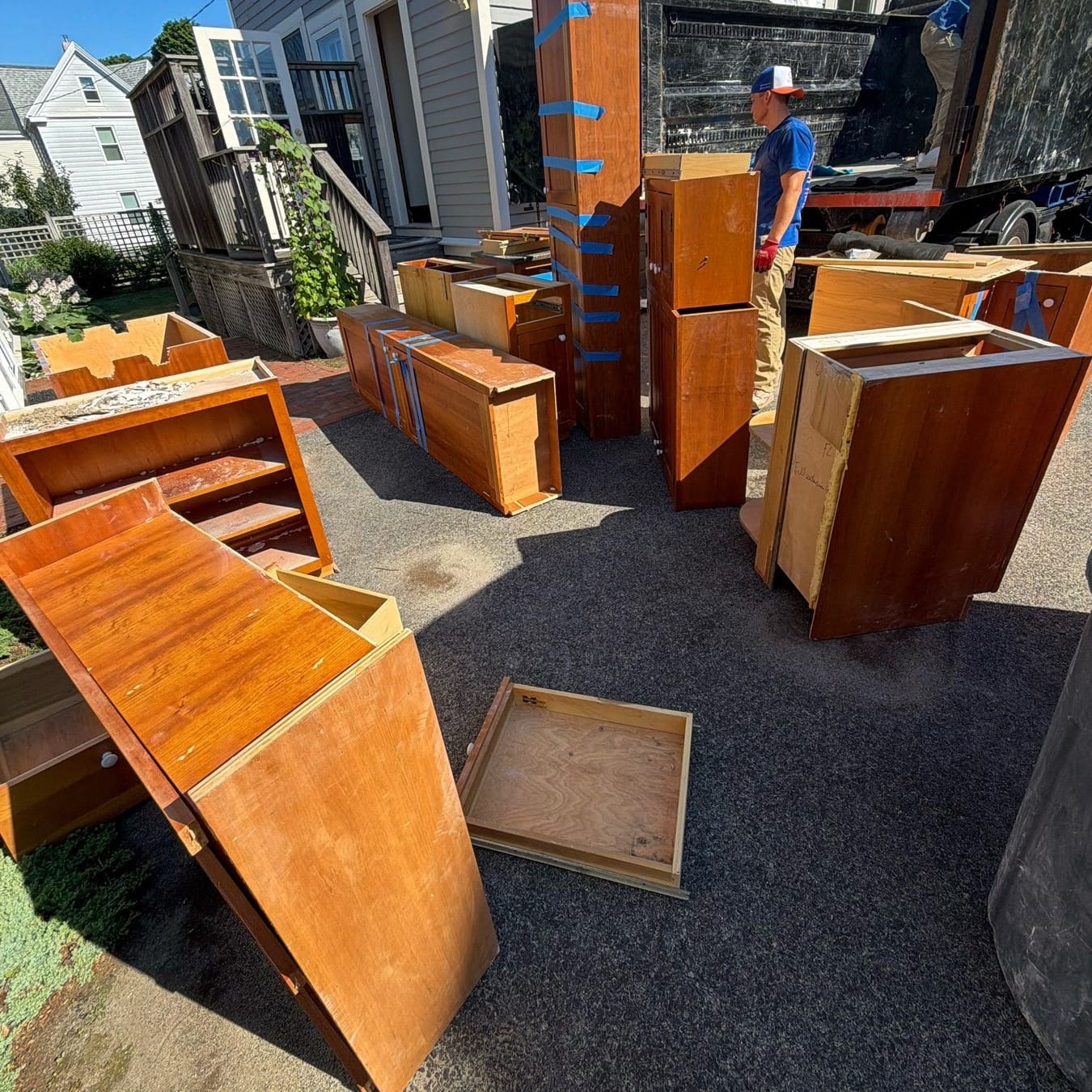
We extract materials, we consume materials, and then the materials get wasted because we choose to waste them. The idea that that can go on indefinitely is illogical.
What we are testing next
Our next test is a system of reusable canvas bags and a crane mounted to our truck. A traditional metal roll-off container costs about $5,000, while the bags we are sourcing cost roughly $15 each. Crews can separate lumber from drywall as they work, keep the truck fuller, and consolidate deliveries from our hub. The model still has to prove itself in daily operations.
We are also showing what recovered material can become. As of September, we were working with Boston Building Resources on a shed made entirely from reclaimed materials, including exterior cladding made from old doors.
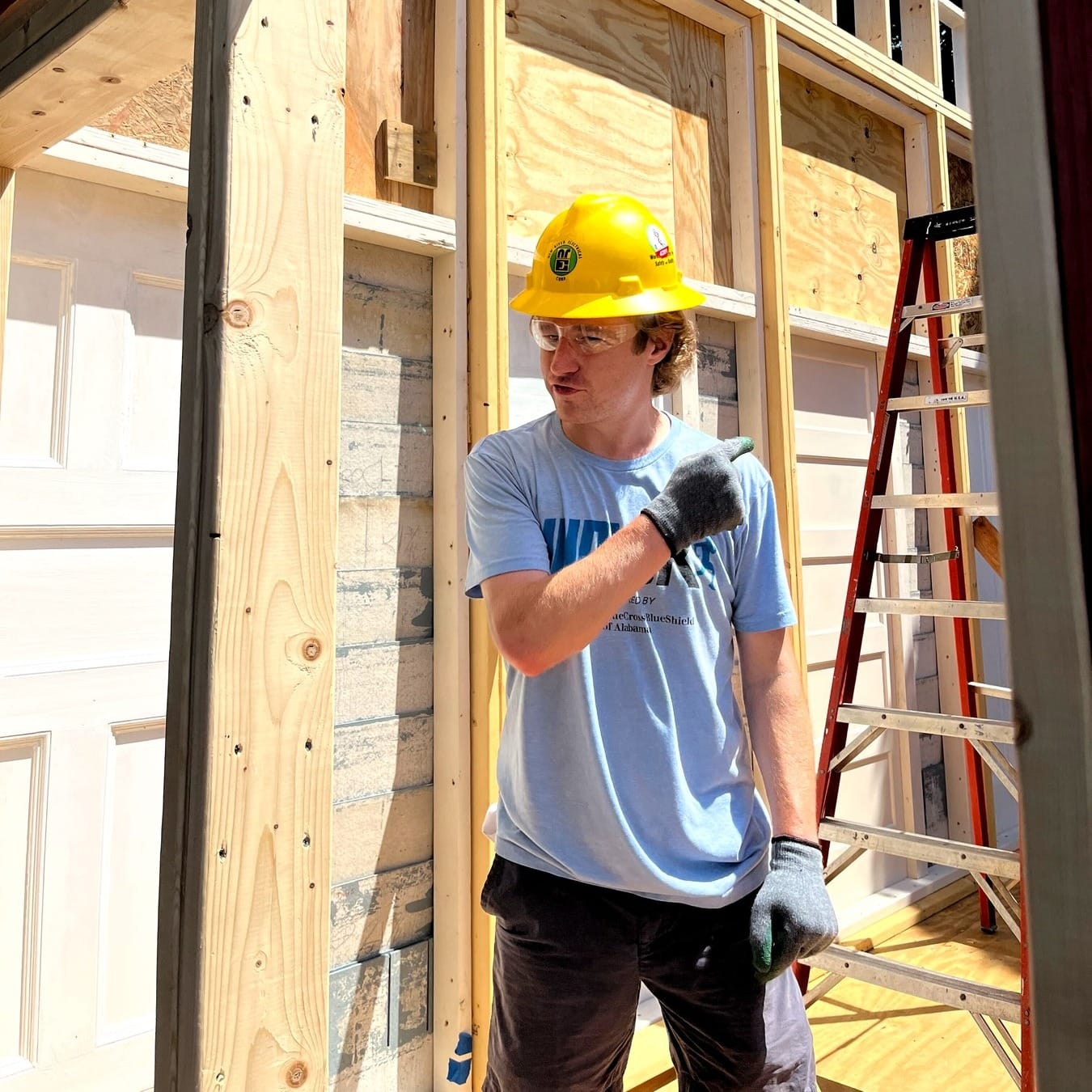
My longer-term vision is a material bank, where useful parts of old buildings can wait for another purpose, with entrepreneurs nearby turning those materials into new products. We are building toward it one job at a time, with technology keeping the company lean while Andrew and the crew do the physical work that makes recovery possible.
Our mission is to keep materials in the built world. If you have a demolition or cleanout project, or materials that deserve a second life, visit circa.build or find me at The Union.